glp-1 clinical trials sign up Issue 42: RA Drug Development Prescription by Algorithm: The Ethical
Description
AmII and AmIV exerted stronger immune activation than AmI in HEK-TLR reporter cell lines (Becken et al., 2021)

Y.BruceK.DanaeiZ.LiR
Biomolecules 15 , 46 (2025)
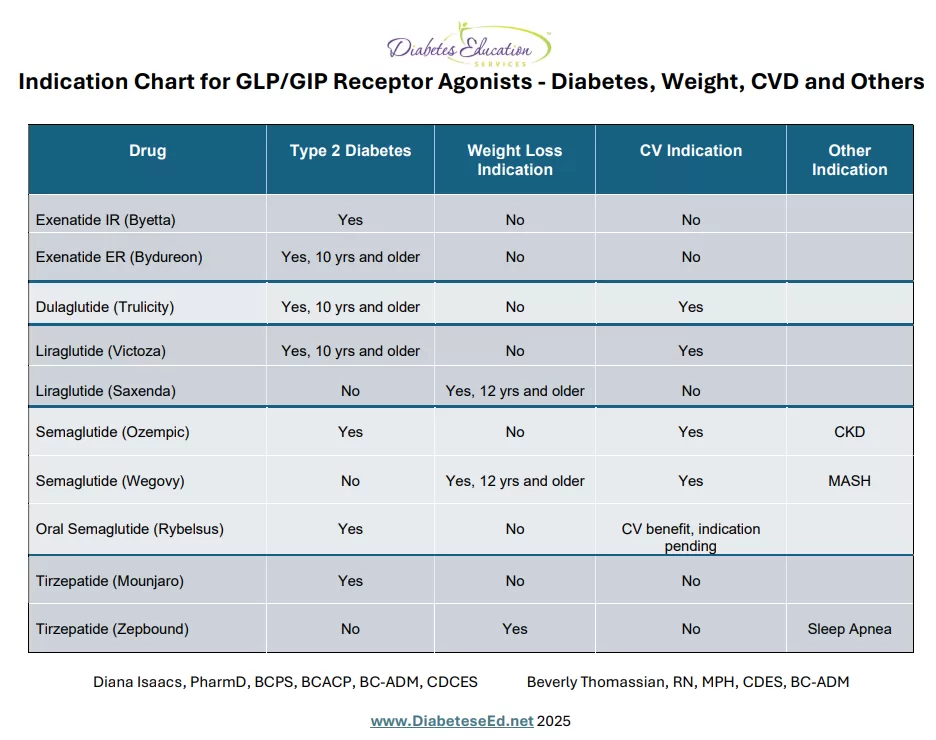
Key Points Native human GLP-1 normalizes hyperglycaemia in patients with type 2 diabetes mellitus, but the short in vivo half-life of this hormone limits its therapeutic application A number of synthetic GLP-1 receptor agonists, with half-lives between 23 h and several days, have been developed for the long-term treatment of type 2 diabetes mellitus Short-acting GLP-1 receptor agonists (such as exenatide and lixisenatide) predominantly lower postprandial glucose levels and insulin concentrations via retardation of gastric emptying Long-acting GLP-1 receptor agonists (such as albiglutide, dulaglutide, exenatide long-acting release and liraglutide) predominantly lower blood glucose levels through stimulation of insulin secretion and reduction of glucagon levels Adverse effects of GLP-1 receptor agonists include nausea, vomiting and diarrhoea, injection-site reactions, antibody formation and increased heart rate This is a preview of subscription content, access via your institution Access options Subscribe to this journal Receive 12 print issues and online access $189.00 per year only $15.75 per issue Buy this article Purchase on SpringerLink Instant access to the full article PDF

aanbevolen dosering: 2 capsules per dag (afhankelijk van het productformaat)
GLP-1 and its analogs exhibit bloodbrain barrier penetrance, enabling direct modulation of central nervous system function 68